


Please please read this one, and Please press play and listen to this as you read, I think it’ll make it make more sense, I think you’ll feel it more, too.
I cried really, really hard two nights ago. I sat in the darkness of my living room while the credits rolled and the music still played, and I just felt the warm stream of saltwater coming down my cheeks.
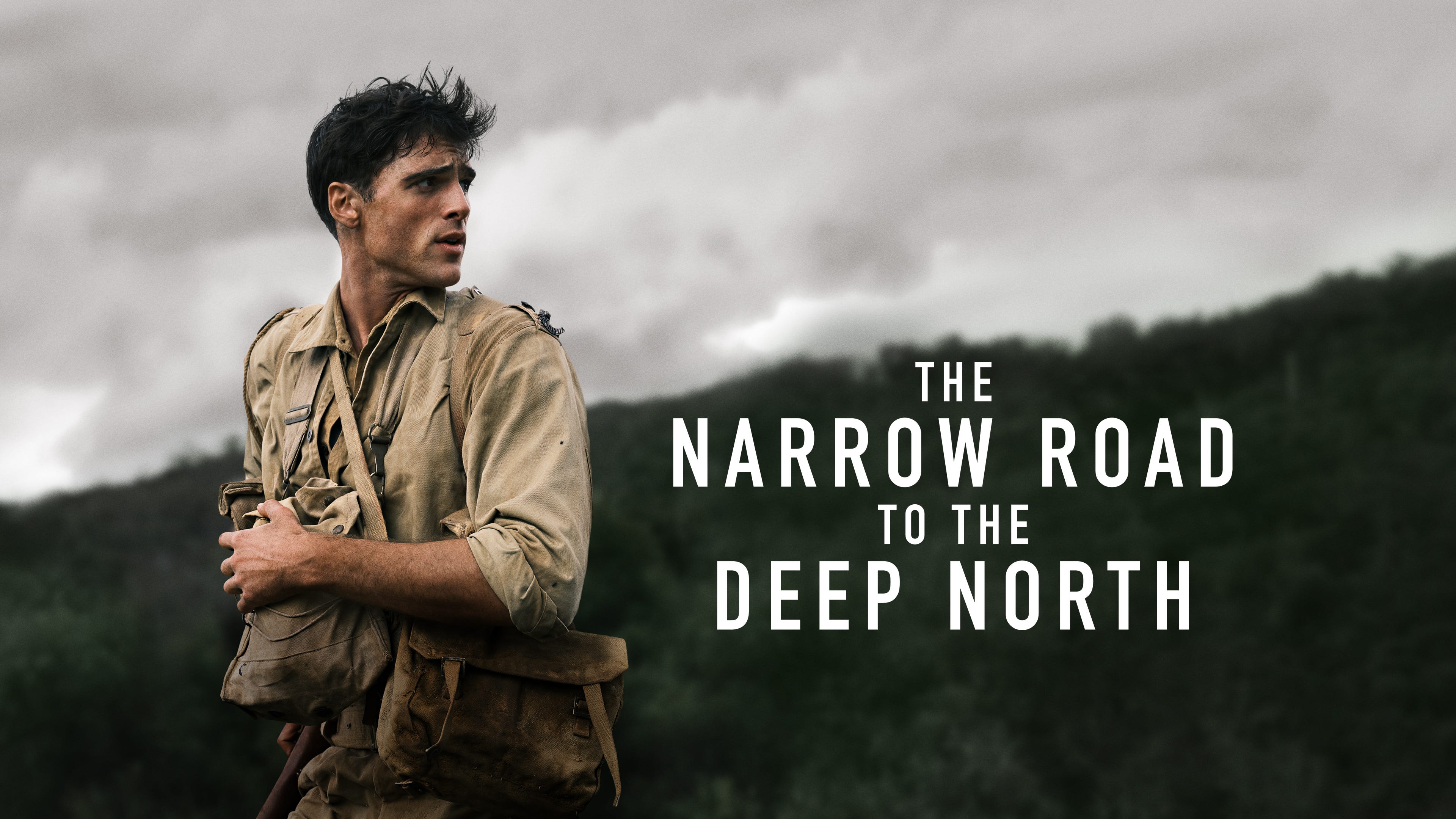
We’d just finished The Narrow Road to the Deep North, a mini-series adaptation of the Man Booker Prize awarded book of the same name by Richard Flanagan on Prime, and I couldn’t stop crying. I couldn’t see her, but I could hear Sarah sniffling too, I knew she, like I, couldn’t speak.
The show was haunting, it was brutal, it was beyond beautiful, and it hurt. It just hurt, but I think as I sit here today writing this, listening to the soundtrack again while I do so, I realized something: I wasn’t crying because of this show only, I wasn’t sobbing softly simply because of what befell these men in that jungle all those years ago. I think it hurt because there is such a pointlessness to our cruelty as human beings, such banality in our ability to harm one another, and we just keep doing it over, and over, and over again.
Comparing us to almost all the rest of the species on this gorgeous planet, we are one of very few that can actually reflect on our own suffering—both given and bestowed upon us. We can ask, ad nauseum forever, about why some of us are cruel, why some have evil that sprouts within them that is watered just enough to blossom, we can ask why we make war on one another so often we can safely call it always. We can wonder why we repeat this, and have, more times than we can possibly count since it all began, but I think we’ll just keep coming back to the same answers. There is no point to this cruelty in us, there’s no progress to be made with it. It is a wheel that spins and spins and keeps coming around to the same point again. It’s a clock, that no matter how hard we try, will find midnight when it finds midnight each night. It cannot not, and I am suffocating with the sounds of its hands ticking.
I don’t know how to hold the suffering I witness these days. I don’t have enough shelves within to place it all. Some will find its way here today, I suppose, though it will not be enough.
I watched the Japanese soldiers in WWII treat these Australian soldiers, these men, these boys, with such furious contempt, with such easy cruelty, and I could not make sense of it. I, who cannot abide a spider placed outside if the temperatures are too cold, watched these men left to starve, I watched them beaten into the mud, I watched them forced to build a railway to somewhere that would never matter, a railway that would erode and be consumed by the jungle it dissected, and I cried.
I turned the television off and I remembered the videos of Alex Pretti being murdered on Minneapolis streets. I remembered the photo of the 5-year-old boy Liam Conejo Ramos, in his little bunny hat standing in front of the car that would take him to the plane that would fly him hundreds of miles away from his home. I thought of how his middle name means Rabbit, and somehow that makes this whole thing worse when I see him in his little hat. I thought of the videos of people being sprayed in the face with pepper spray, inches from their eyeballs, and thrown to the streets by men in masks they are too afraid to take off.
I thought of the violence in all this, the menace. I thought of this vicious circle we keep going around and around, like dirty water to drain, and I thought of how terrifying it is to not know where it will end up, where it will go when it goes where it will go.
Unlike the protagonist in the novel, in the cinematic adaptation, we do not have the blessing of knowledge that comes only as we look back. We are, right now, the soldiers being starved in the jungles of this place, we do not know if we will find home again. We do not know that once some of us do, it will feel that way at all. Maybe not anymore.
I cried long after that television went dark because we are here again, we are where we were when some poor bastards discovered the concentration camps that had been hidden so long. Only this time it’s live and streaming, only this time it’s in real-time and no one is spared the atrocity. We are seeing, in front of our very eyes, the pointlessness of cruelty spread across not only the surfaces of this fractured place, but permeate and seep down into the roots so many of us tried to water. To keep clean, to keep healthy, to keep alive.
I don’t know what comes after this, but I know at some point, the ticking hands of this very human clock will find its way back around to midnight. Somewhere, sometime, despite the daylight we’re all fighting such good fights to find again, it’ll be dark again. I don’t know why this is, me of this human race who can ask such questions of us, but I know it to be true.
Maybe our job is to just find all the beauty that exists between the seconds that will lead us there, the minutes that will march us towards our own inevitabilities. Maybe we draw what we see, maybe we turn it into novels, into poetry, into song.
Maybe we, in the middle of our deepest jungles, turn our faces to the light that finds its way through the leaves, close our eyes, and breathe.
Maybe it’s all we can do, all we can muster after we’ve exhausted ourselves in the fight against their cruelty, their inhumanity. Maybe we hold one another, be gentle with all those who are injured, who are aching, who are broken, and make a promise we know we cannot keep: That one day it will all make sense, all this madness, all this barbarism and persecution, that one day we’ll understand.
I don’t know we will, I don’t know we can, but I know I’ll fight like that’s not true. I know that I’ll let the tears roll down and feel them stain the collars of my shirts, I know I’ll keep my eyes open to the horrors I see, bear them witness, and do all I can to slow their roll forward. That I’ll hold the lines until the vines cover the tracks all this evil is laying.
I’ll hold.
I love you all.
Be good.
I'm grateful you have the words that can express what's in my heart. I've been struggling to find them. Nothing comes out when I try and yet here your words are. Thank you. Please keep writing. We need them. The world needs them.
In my heart, my greatest fear is the normalization of these horrors. We have to hold onto the belief that this is NOT normal, that hope and love and kindness will survive and win out. It will just take time, and effort. Your writing Tyler, is the effort, and to many of us, the catalyst that drives us to make the effort too. Looking at what is going on in the world head-on and saying THIS IS NOT ACCEPTABLE and ensuring that we keep our eyes to the good. I'm taking out the ''Maybe", because you are spot on:
Our job is to just find all the beauty that exists between the seconds that will lead us there, the minutes that will march us towards our own inevitabilities. We draw what we see, we turn it into novels, into poetry, into song.
We, in the middle of our deepest jungles, turn our faces to the light that finds its way through the leaves, close our eyes, and breathe.
Believe in a better world and we can make it happen. Thank-you Tyler!