
Here’s a truth I don’t know that I’ve ever mentioned here before, something I should have brought up ages ago but just forgot to:
The people who reach out more than almost any other—via comment, email, DM, or secret carrier pigeon—when I discuss my place on the Autism spectrum, are parents. Parents of other Autistic children.
The comments they leave, the gratitude they share, is almost always for the same thing, though they word it different each time. It’s always some variation of “Thank you, for making me believe that my kid can find love too, one day. Thank you for giving me hope.”
I don’t have the right words to explain how much this means to me, though I call myself a writer. Everything, I guess, absolutely everything.
Autism is a strange beast, a chameleonic little son of a bitch that knows the way to change its colors millions of times to cover all of us strange one-percenters. (Yes, we’re the cool 1%, not for our money but for our uniqueness, as there are only about 75 million Autistic people on the whole planet) It never presents the same way twice, never chooses the same clothes to walk around in, and this both makes it difficult to explain, and anxiety-inducing for parents who wonder if their child will ever be able to truly experience love one day.
I see this, I hear this, I understand.
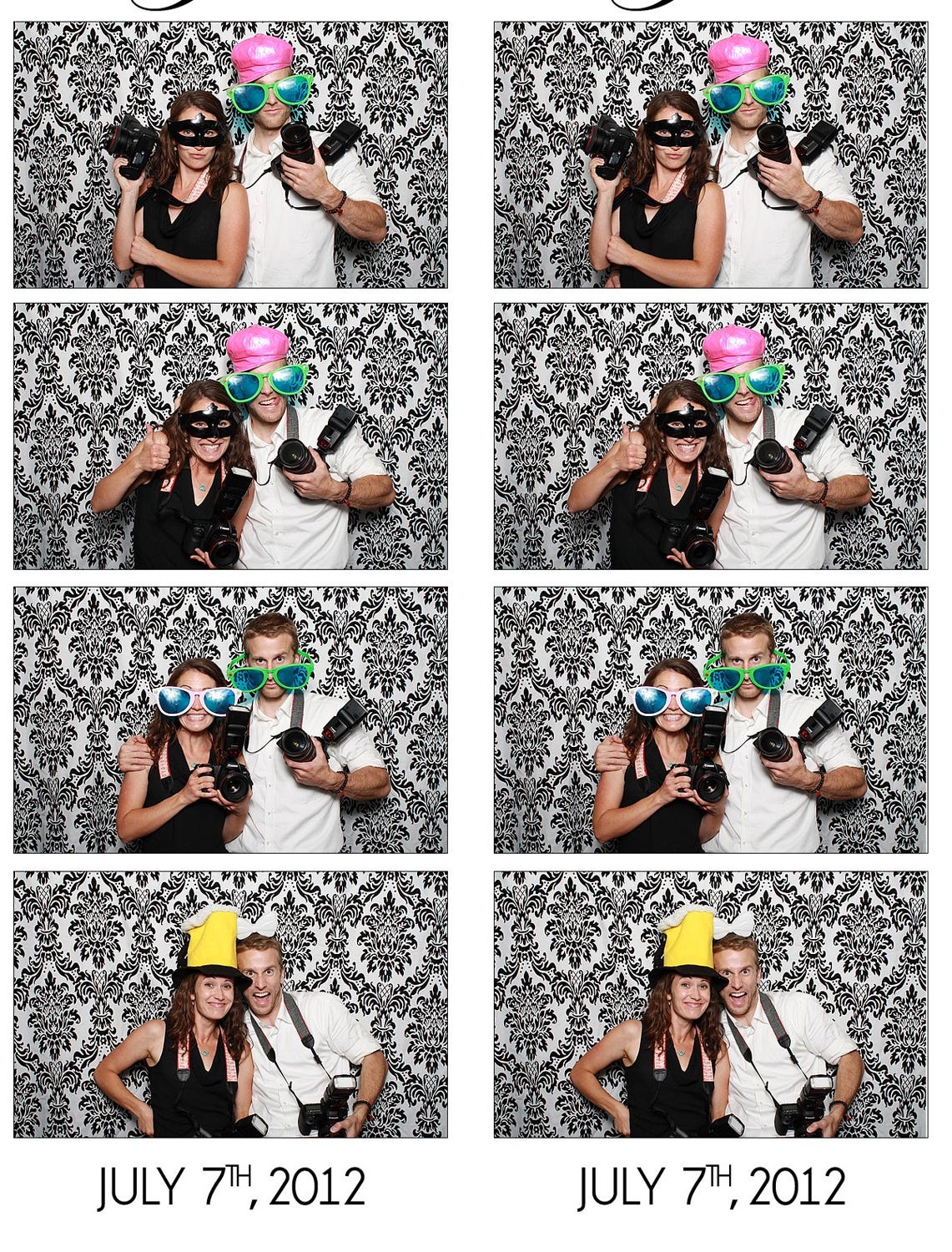
As such, on THIS day, this beautiful day that is Sarah and I’s SIXTH wedding anniversary (how did time move this swiftly) I decided to do something different. For you, for us, for any parents out there that might be wanting to reach out and speak to me of the same thing so many others have. I decided to go to the source, to just cut to the chase and ask Sarah what it’s truly like to love someone on the Autism Spectrum.
We conducted it like a real interview, sitting in separate rooms of our home on a Google Meeting video call, and I asked her 15 questions that I hoped would shine a little light on Autistic love. She knows what I cannot, and so I will share with you both the questions, and her answers, in her own words. I hope this helps, I hope it shows how strange love can be, how enveloping, how beautiful.
To my wife, the answerer of these questions, the saver of my soul, I Love you. For your grace, your wisdom, your patience, your tenderness, your kindness, your generosity of spirit, your soul. I Love you. Happy Anniversary.
Here is what it’s like to love one someone out of 75 million someones who is Autistic. Here is her experience.
Sarah Linden Gregson Answers 15 Questions About Loving An Autistic (Part 1):
Do you remember the first moment you realized I processed or experienced the world differently? What was it like for you? Oh man…the first moment? Probably the first wedding we shot together when when you had to drive separately and I could tell you were really stressed out and you aren't a stressed person at all. That was the first time. I don't know if I realized that you were processing differently or if I just thought maybe you were anxious. I would have to think about that for the first time. You should have given me these questions ahead of time.
What’s one of your favorite “autistic quirks” of mine that most people wouldn’t notice, but you adore? Oh man, autistic quirks of yours. There's so many little ones, but I feel like people probably notice them. Me: Maybe they don't notice them as autistic though? Sarah: Well, the first thing that came to mind was your connection with animals, but I think that people notice that because it's so different…most people don't do that and so I think it stands out and most people do notice that. But they just probably think it's weird. Yeah, probably that or the way that you can see or can know what's going to happen, in a movie or in…although that's kind of annoying sometimes.
Has loving someone on the spectrum made you rethink what love means or how it’s expressed? Oh, for sure. Well, again though, I just I always think, well, that's just Tyler because I also don't think that most people who are on the spectrum love like you do. Me: In what way? Sarah: Just so so completely selflessly. I don't think that's an autism trait. I mean maybe it is but I don't think so. Other people with autism—I think because they struggle with a lot of things and those struggles probably go before them—like doing things or caring for their partner, but yours don't, even though I know that you do struggle with things yours doesn't come across that way.
What’s one time my literal thinking or sensory sensitivities totally derailed something... but also ended up making a great memory? See, this is so hard because I have such a bad memory…I don't know, but the first thing that came to mind was our trip to Santa Fe because you, and it's not even necessarily just for your sensory things or your comfort level, it was for all of ours, but maybe yours is what initially made you pause on the plan that we were going to do first. Then our trip to Santa Fe was so much better than what we originally, or what I was originally trying to do. I think there's a lot of those where again it's kind of like the bread bags…if I get a thought in my head I can't see a different way until it's forced.
Do you ever find yourself acting as my “translator” in social situations? How do you feel about that role? I don't know if translator or like
Me: apologizer? Sarah: Yeah. Or like guard rails kind of. I feel like it's more guard rails. And I think as I've gotten older and we've been together longer and you've taught me so much better to not give a fuck, I don't feel like the guard rails are…I'm not as worried about them. Although, like we talked about this morning, if it's something that could be hurtful, which you don't mean hurtful, but I know it's coming, then the guard rails definitely come up. And I think that sometimes it's hard because I'm distracted all the time, so I don't catch it until it's already out of your mouth…Because I can tell when something's coming. I can see it but there's such a short time that I can intervene before it comes out of your mouth. But now I can see things, or I can see someone or something that we're either about to interact with or that you saw and I'm like oh shit. But it comes out sometimes and I can't get there before it's out. So, I think it's more guard rails, but I also appreciate that. I don't know. I love that you just say what you're thinking because I think that's what has given us some of our best memories is that you don't filter. You know? The fact that you just say what you're thinking, that's how we've, that's how all of our connections and stories from our whole life have come, because you just don't have that border up, and all our deep connections with people start from there.What surprised you most about being in a relationship with someone autistic—something you never would’ve expected? Probably what I just said because all the kids that I worked with, I think their families always worried that they would never be able to love somebody or be loved, you know? That was and that was always the parents biggest fear and that was my biggest fear when I had Henry and Addie. I was so afraid they were going to have autism and be so much more impacted. But I guess if I were to have told the teacher me when I was teaching those kids that someday I was going to fall in love with someone with autism, I would be like, "What!?" and I think I would have thought that it would have been a lot harder, you know, a lot harder. And it was just hard not to instead.
What’s something you’ve had to unlearn about “normal” love or marriage that ended up being freeing? Oh man. Something I had to unlearn. Well, I think for me, and again, I don't know if this has anything to do with autism or it's just you, but…Me: I think those two things are kind of they all they just go together though… Sarah: Yes. Just that love shouldn't look like what I've been taught it looks like, I guess. And that there's such a better way that just almost no one gets…That I don't know, I think that just being each other's best friend and also so crazy in love.
Do you think we have our own “language” of love? What does it look or sound like? Yes, for sure. Well, I think that a lot of times it's one-sided language…you, I don't know…I don't have to say anything or even, I don't have to stomp around the house or have exasperated sighs or roll my eyes or anything physical and I don't have to say anything and you know exactly how I'm feeling and what I need. So it's almost like I'm a mute person who can't even do sign language and it doesn't matter, you know what I need and how I need it. So I guess I mean I'm sorry that's that's our that's our language. I feel bad because you do all the work on both sides, haha. Me: It's more like like telepathy though. Sarah: Oh, totally. So that would be our language.
I decided to break this interview into two parts, because she answered the questions so honestly, so vulnerably, that I wanted to give the responses the time and space to not cut them down so drastically. It’s never easy, explaining a love, and she did such a beautiful job translating her thoughts into words.
I don’t imagine there’s a way we could be any more different than we are, she and I. This is a truth inalienable. To know that we somehow fit this way means everything to me, and it’s something I am more proud of than I ever saw coming.
Stay tuned for next week’s Part 2 of this first ever Interview Series, and expect more Interviews to come. I know so many fascinating people, I think it’ll be beautiful to get to know them.
Happy Anniversary my love, how strange, how beautiful, that 6 years ago, we were here, doing this. I Love you madly, and I always, always will.

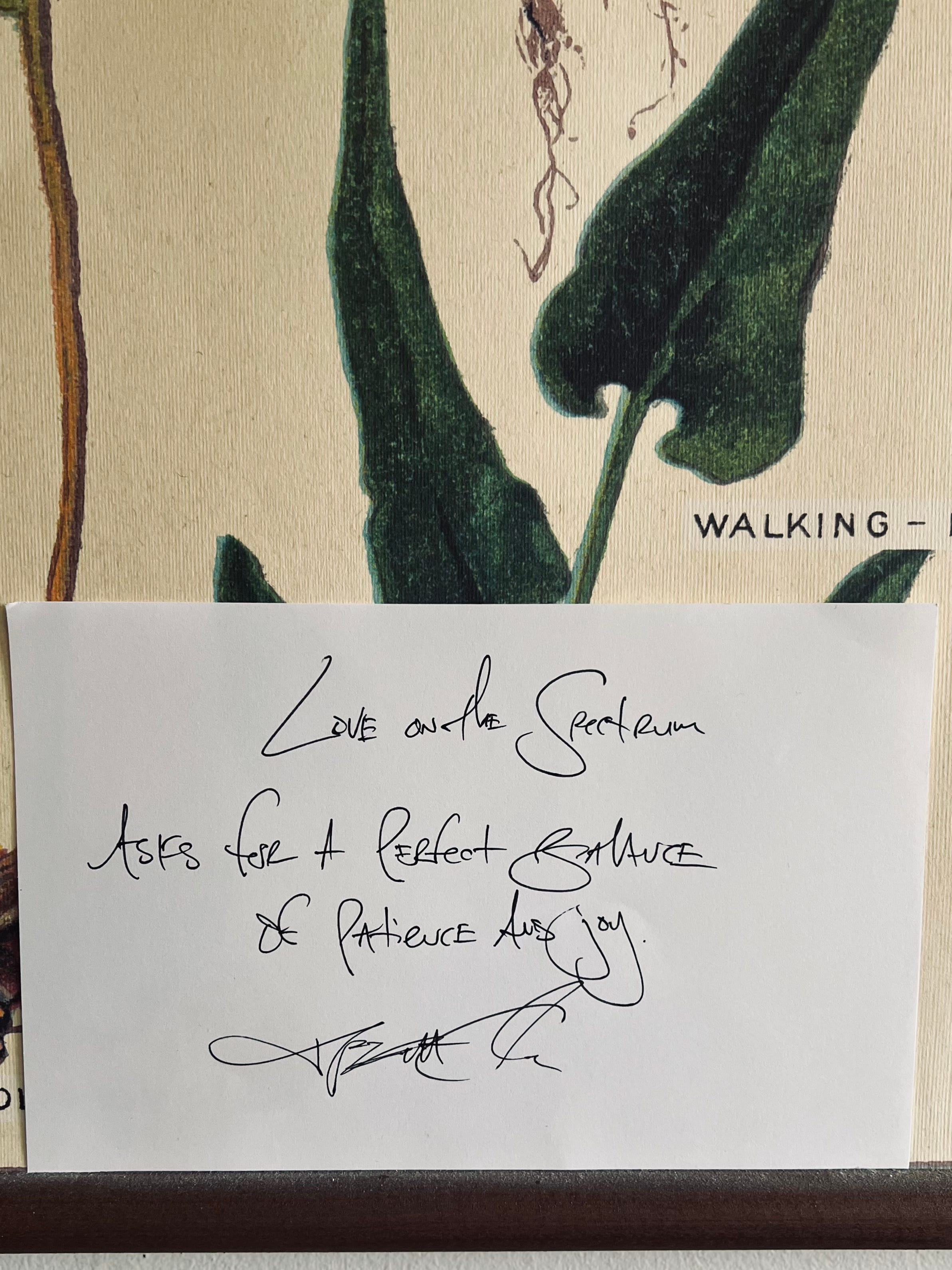
Love on the spectrum,
asks for a perfect balance
of patience and joy.