
I saw myself in his shaking, truth told. The first time I saw the scene, it wasn’t a television I was looking at, it was a mirror. My mirror. The same mirror I’d shouted into many times before, his words were my words, every time he said “Stop It!” it was me saying the same. Stop crying, stop shaking, stop it.
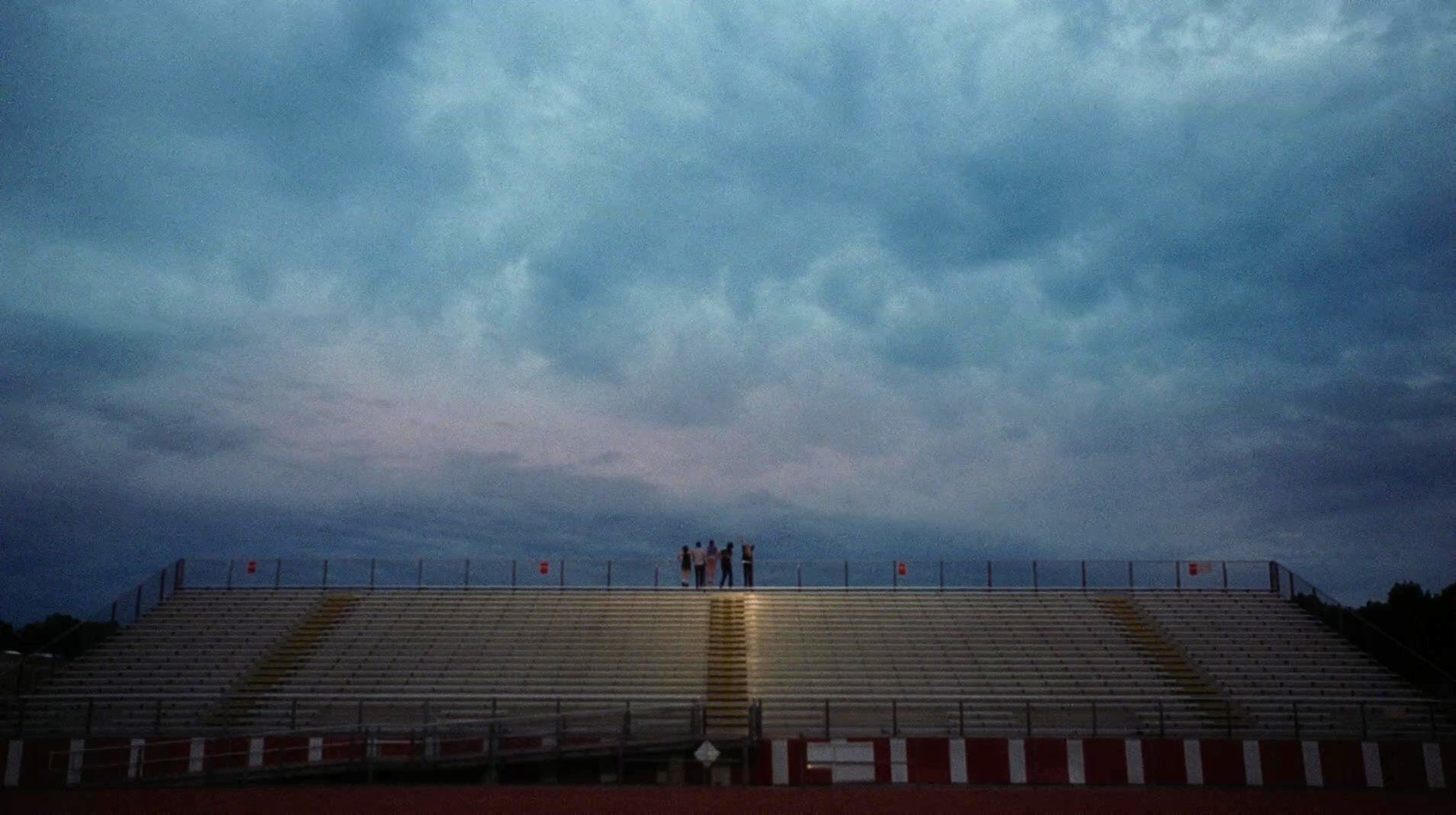
Perks of Being A Wallflower is filled with iconic scenes, with music that you can feel, with all the angst and ache and joy and sorrow and confusion of that strange, transitory, ephemeral time in life where you’re not what you were, but you’re not yet what you’re about to be. High School as limbo, as bardo. All is enormous, nothing is trivial, not then, not ever then. There’s one scene, however, that not only breaks me every time I see it, but that I find to be so monumentally important that I found it worth discussing here, today.
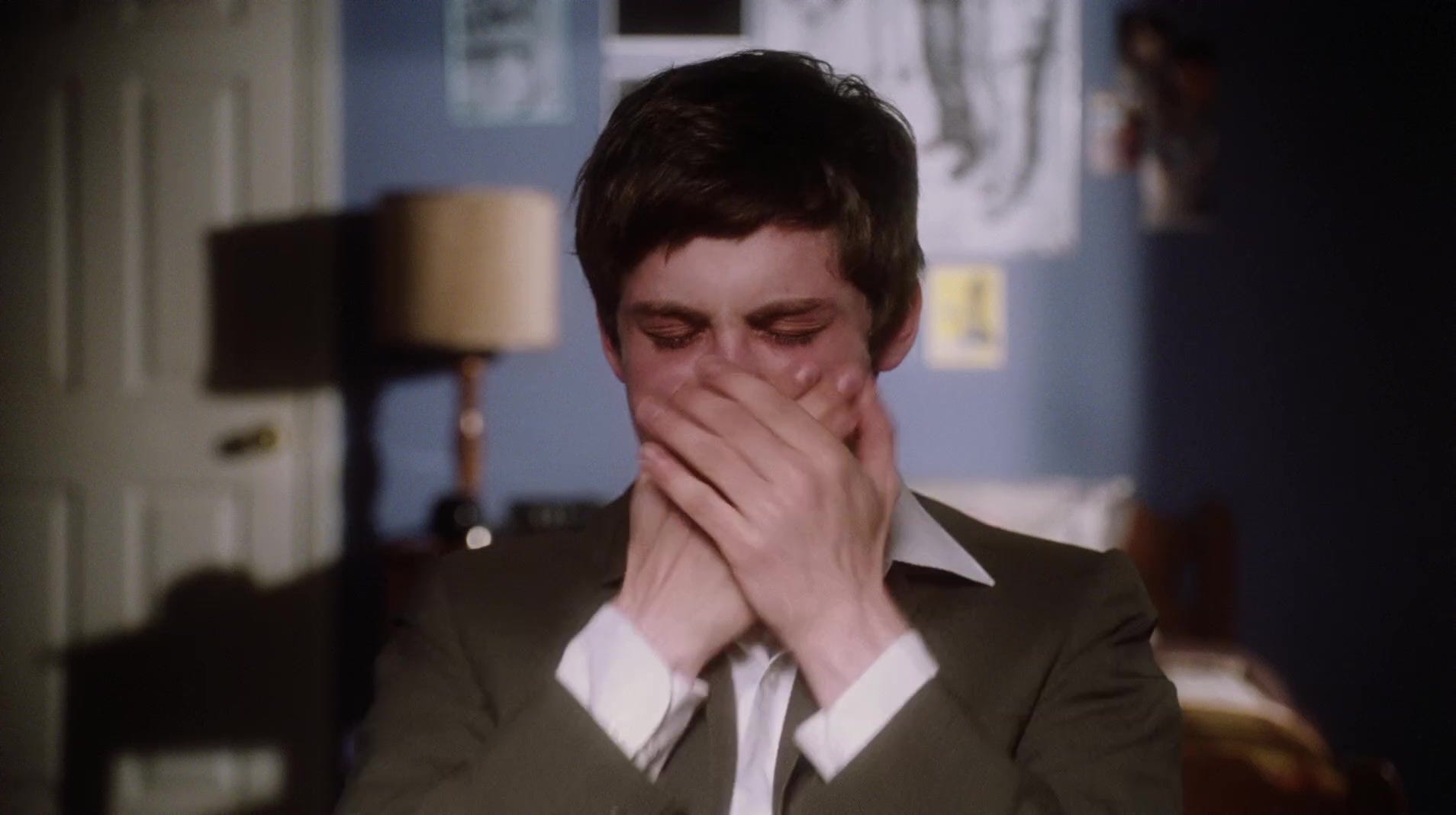
I call it the Breakdown Scene, and anyone who has seen the film or read the book knows precisely what I’m speaking about. The first time I watched it, I was paralyzed. I’d never seen mental health portrayed in that way, that way that I so intimately knew, without filters, without glossing over, without sanitizing. It was all the messy, authentic, horrifying realness that I had experienced, on full display in front of me.
I’ve touched on it before, gotten vulnerable in a way that is never easy to do with you, and I suppose I will again today. Growing up for me at times, was secretly, pretty rough. I didn’t know then what I know now of myself, of my bizarre but often beautiful brain. I didn’t know about Autism, not yet, and compounding the struggle was a panoply of food allergies and intolerances that had gone completely undiagnosed, overlooked, and misunderstood. I felt sick, all the time, I’d steal doctors notepads from their offices to forge notes to give to the office. I’d pretend to be my Dad and use the payphone by the gymnasium to excuse myself from school in the early mornings when I knew my Mom would be at work already. I’d stare into mirrors in bathrooms and quietly shout at myself to “STOP IT,” to “GET IT TOGETHER!” when I felt too sick to leave the house.
My body would shake, too. Violently enough that I’d squeeze the backs of my own hands until my fingernails drew blood. I’d breathe too swiftly, I’d feel my thoughts race like greyhounds in tight ovals around the inside of my skull. Too many voices. Too many expectations. Too many people waiting outside the bathroom door for me to hurry up, suck it up, be ok, just be ok. Too many ways to fail at just faking like you’re ok. Hand to mouth, fingers over our ears to quiet untamable sounds. This is the volume at 1,000 and you lack the power to mute it all.
These moments of self-confrontation are harrowing. Full-blown arguments with yourself, with the you with tear-filled eyes in the dirty mirror, feeling strange and profound sadness but not knowing its origin or how to conquer it. This is more than we’re equipped to deal with, this is the push at the edge of the cliff that sends us sprawling. Sadness is beast, but sadness laced with confusion another entirely.
I believe, firmly, that there is a unique loneliness that comes when you know with certainty, that no one can possibly understand the constant storming inside your own mind.
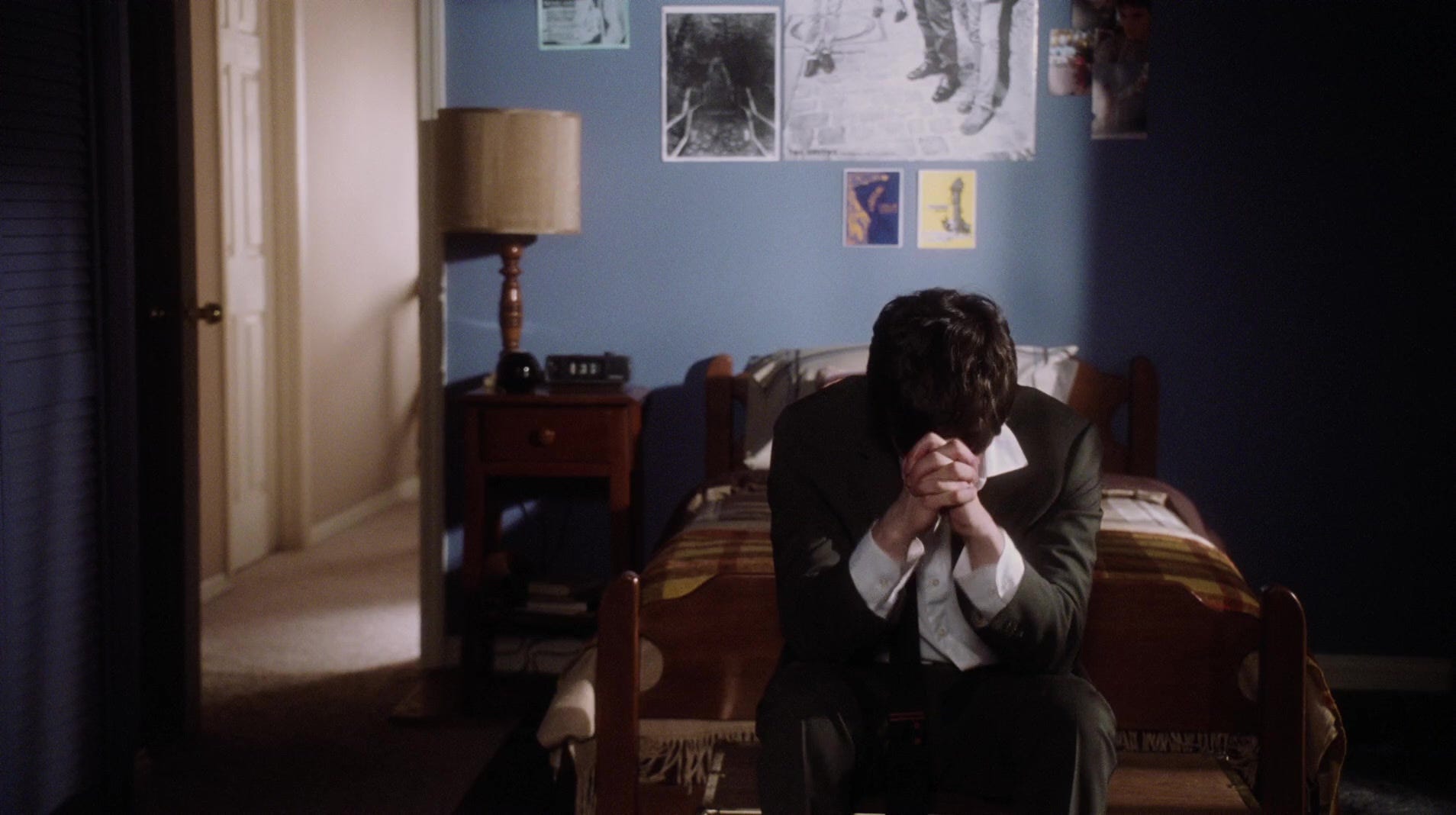
Then you see something that gets it. Then you see it represented back at you in such clarity that it’s as though they stole it from inside you, that they took what only you knew and presented it back. When everything, every single thing, is too much, a feeling unfairly and disproportionately familiar to Autistic and neurodiverse people, it is revelatory to feel understood. To feel like you just might not be the only one staring at a ceiling in the pale hours of morning, shouting into a mirror in the fluorescent brightness of a normal afternoon, makes it all feel quieter. That there are others like you, that there are those that can help, can hold you until stillness, that can quiet your own voice and shift that “Stop It” to a “shhhhh.” It’s being seen over being fixed. If for a moment.
Finding your ‘wallflowers’ it seems, changes everything.
In a world that’s become so increasingly isolationist, and for people who naturally gravitate towards that sensation, especially when hurting or suffering, there is peace that comes with finally feeling understood. There is serenity in found friendship, in belonging, in the sharing of the loads that we carry. We spend so much time, so much energy feeling trapped, feeling like too much but somehow never ever quite enough, we spend so many hours feeling, above all, finite. We forget, don’t we? We forget the truth universal of suffering at its core, and it is simple, and it is this:
We are infinite.
What I’ve come to learn is that infinity isn’t a number at all, it isn’t a quantity of people that feel the same, it isn’t the understanding that others shake and tell themselves to STOP, it’s not just seeing on a big screen. Infinity isn’t a moment in a tunnel, it isn’t a pop song played at perfect volume while we careen through the darkness towards some light, it’s something bigger.
Infinity is making the choice to stay alive, to fight, to breathe, through the hardest parts. Infinity, is having the courage to face what breaks us, and to accept what saves us.
Maybe, in the end, being a wallflower has never been about hiding, never been about shrinking in to match the backgrounds on the peripheries around us. Maybe it’s having the courage to watch closely enough, yourself and those who feel like home to you, and understand all that is shared.
Maybe, in the end, we’ll always feel like those angst ridden teenagers staring into mirrors or lying awake in the middle of the night, whispering over and over to ourselves in the darkness to Stop it. Maybe we will, but I have learned this above all things, from myself, from films like Perks, and from opening my compassion to so many others:
You don’t ever have to stop. You just have to stay.
To you who feels too much: Come join us Wallflowers. We’re here, we’re waiting, and we truly understand.

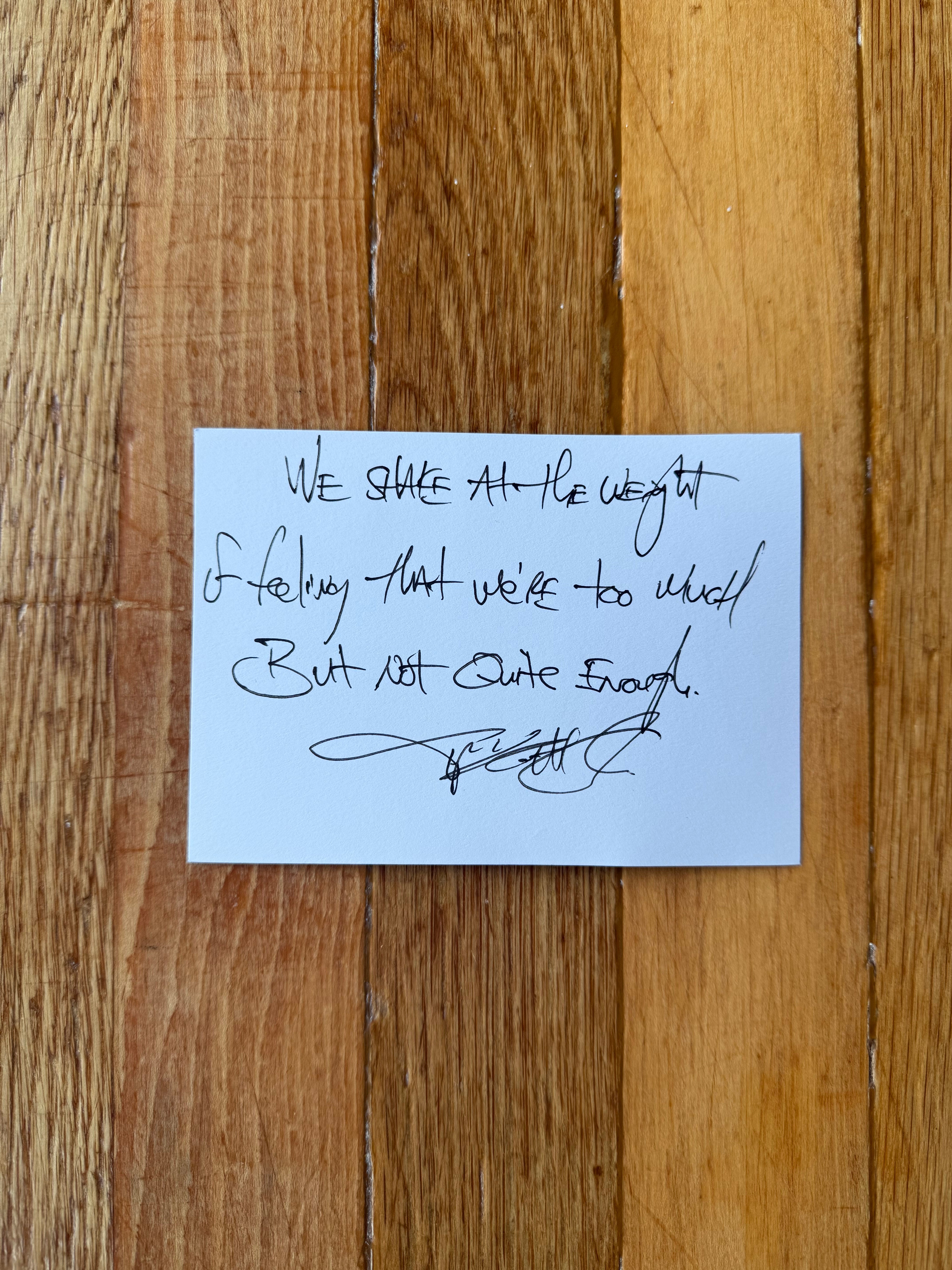
We shake at the weight
of feeling that we’re too much
but not quite enough.